
Polymer Modified Bitumen Supplier Dubai: PMB Supply for Road Paving Projects
As a Polymer Modified Bitumen Supplier Dubai, project buyers can contact us for specification-based supply; we offer PMB for road paving projects that need a binder able to carry heavy loads through extreme temperature swings without early rutting or cracking. We work with contractors, traders, and project buyers in Dubai, across the UAE, and overseas who need PMB offered against a written specification.
This page covers the nine nominal penetration ranges we offer under the EN 14023 framework, from PMB 10/40 to PMB 200/300, and explains how to choose between them. It concerns paving-grade PMB for roads, airfields, and other paved areas. Polymer-modified roofing and waterproofing membranes are a separate product family and are not covered here. You can view our full bitumen products range for other binder types.
What Is Polymer Modified Bitumen?
Polymer Modified Bitumen is paving bitumen into which a polymer has been blended to change how the binder behaves under load and temperature. The base material is still bitumen; the polymer acts as a reinforcing phase within it.
Modifiers fall into two broad families. Elastomers add rubber-like elasticity, so the binder can stretch and recover. Plastomers mainly add stiffness and resistance to deformation. The polymer, its proportion, and the base bitumen together determine the finished grade, which is why PMB is specified by its measured properties rather than by its ingredients.
How Polymer Modification Works
Conventional bitumen is strongly temperature-sensitive. It softens in summer heat and turns brittle in the cold. When a compatible polymer is dispersed through hot bitumen, it swells and forms a continuous network within the binder.
That network shares the stress the bitumen would otherwise carry alone. At high pavement temperatures, it restrains flow and helps asphalt resist permanent deformation. At low temperatures, it keeps the binder more pliable, allowing it to absorb strain rather than fracture.
However, the benefit depends on good compatibility and even dispersion. A poorly formulated blend can separate during hot storage, which is why buyers commonly check storage stability in a PMB specification.
PMB Performance Characteristics
Resistance to Rutting at High Temperatures
In the UAE and the wider Gulf, dark asphalt surfaces run far hotter than the surrounding air through the summer months. A polymer-modified binder generally retains more stiffness at these temperatures than an unmodified binder of similar penetration, helping wheel paths resist rutting under slow, heavy traffic.
Flexibility and Crack Resistance
The same polymer network helps the binder tolerate repeated bending and thermal movement. As a result, it can delay the onset of fatigue cracking and cracking caused by daily temperature cycles.
Elastic Recovery and Cohesion
Many PMBs recover much of their shape after being stretched and hold aggregate together with greater cohesion. EN 14023 uses cohesion specifically to distinguish polymer modified bitumens from other bituminous binders.
In every case, field performance depends on the grade selected, the asphalt mix design and the quality of construction, not on the binder alone.
Polymer Modified Bitumen for Road Paving Applications
EN 14023 covers PMB for the construction and maintenance of roads, airfields and other paved areas. Typical uses include heavily trafficked highways and expressways; junctions, roundabouts, bus lanes and toll plazas where traffic brakes and stands; port, container-yard and industrial pavements; airfield runways, taxiways and aprons; and bridge-deck surfacing.
PMB is also widely used in thin surfacing layers, stone mastic asphalt and porous asphalt, where binder cohesion and durability are critical. By contrast, cold-applied work such as tack coats normally uses bitumen emulsions rather than hot PMB.
PMB Grades and the EN 14023 Framework
EN 14023 is the European specification framework for polymer modified bitumens. Rather than fixing a single recipe, it defines the characteristics a PMB is measured against and groups the results into classes. Specifiers then choose the classes that suit local climate and traffic.
How EN 14023 Names a PMB Grade
A PMB grade name begins with its nominal penetration range: the band, in tenths of a millimetre at 25 °C, within which the binder’s needle penetration must fall. PMB 45/80, for example, covers binders with a penetration between 45 and 80.
A complete EN 14023 designation then adds the minimum softening-point class that applies to the product. The penetration range alone identifies the consistency band, not the full specification. When you enquire, quote the complete designation from your tender documents so we can respond against the correct requirements.
EN 14023 in the GCC
The GCC Standardization Organization has adopted the framework as GSO EN 14023:2021, so these grade names appear in UAE and wider Gulf specifications as well as European ones. However, the project specification, consultant documents, or road authority requirements always remain the governing reference for an order.
PMB Grades We Supply: 9 Nominal Penetration Ranges
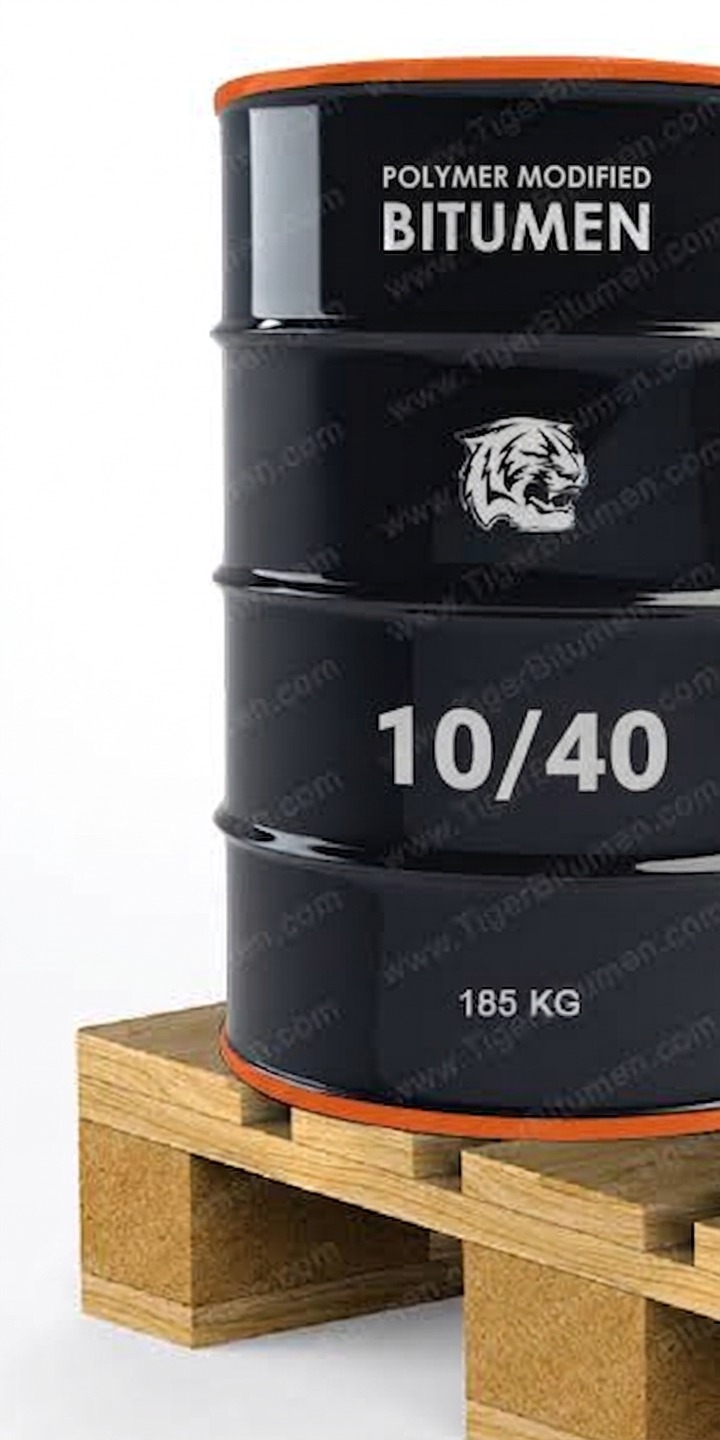
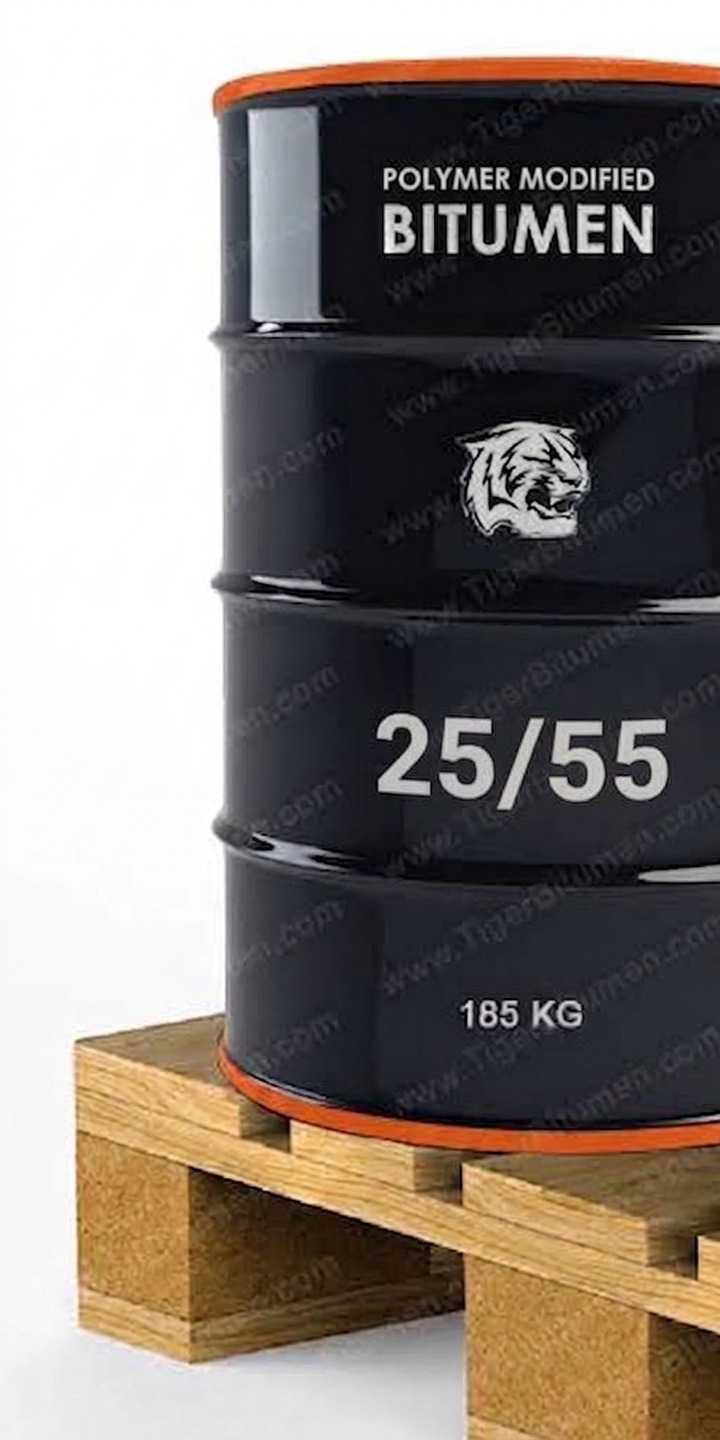
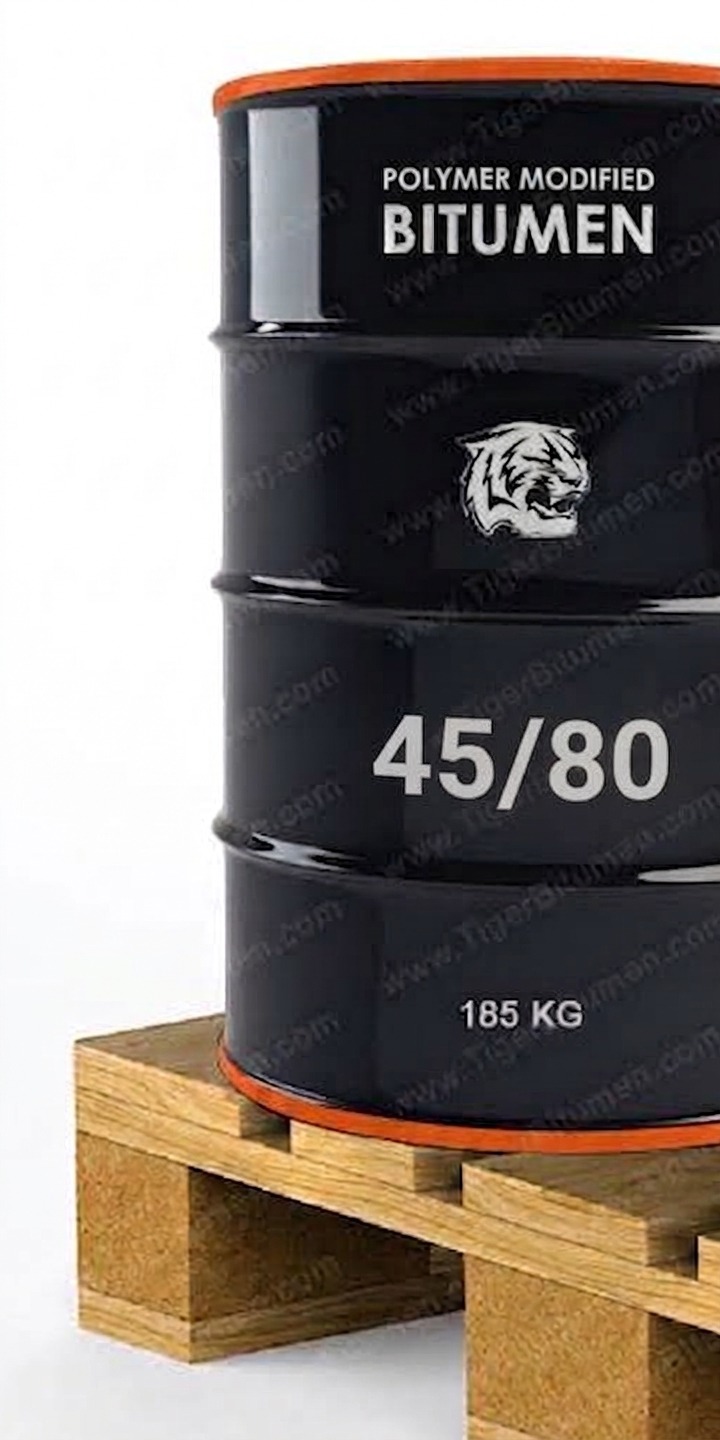
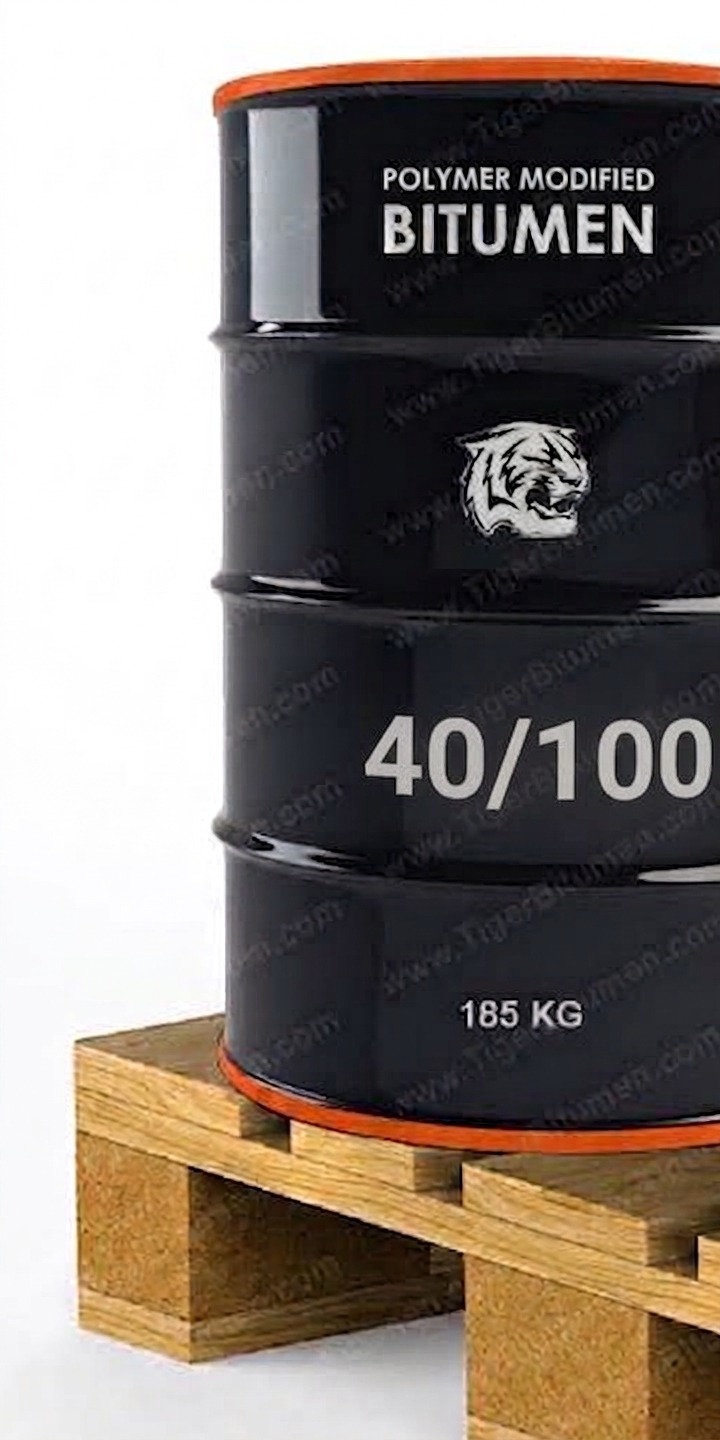
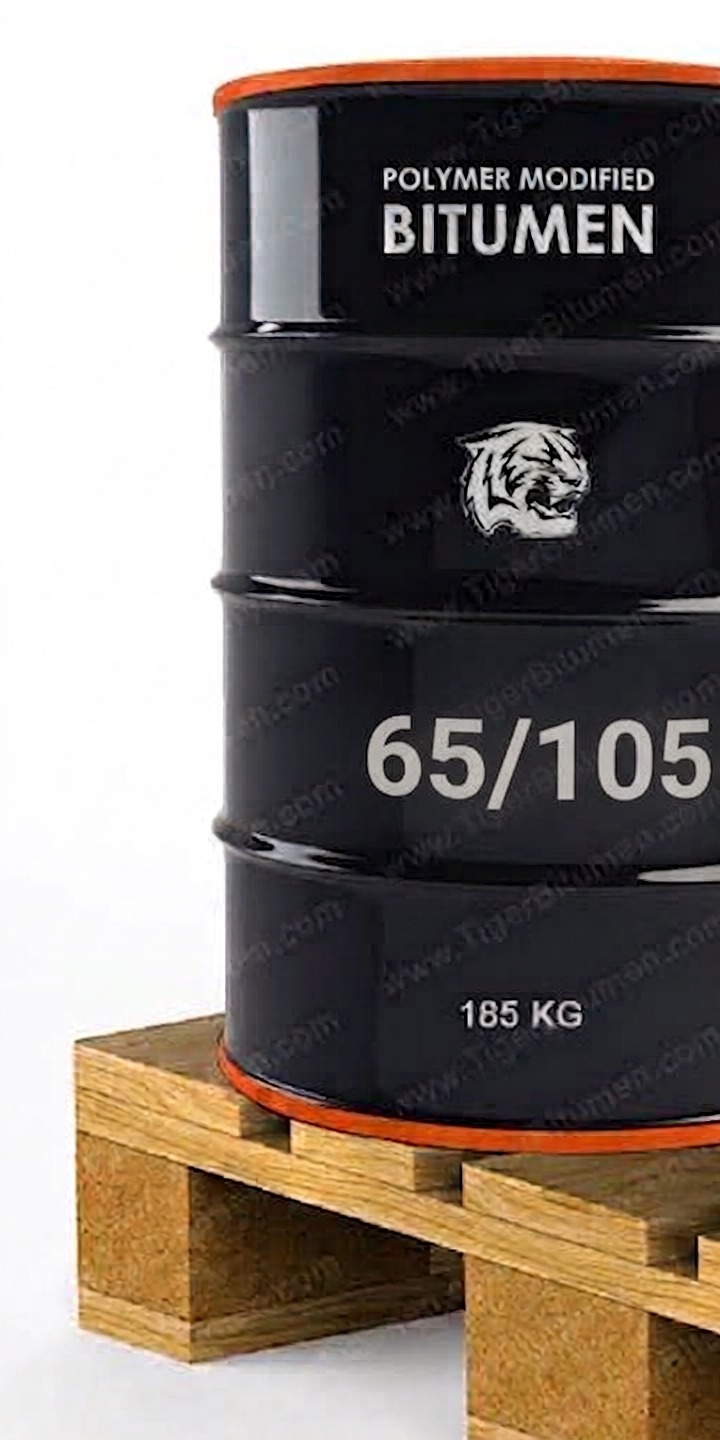
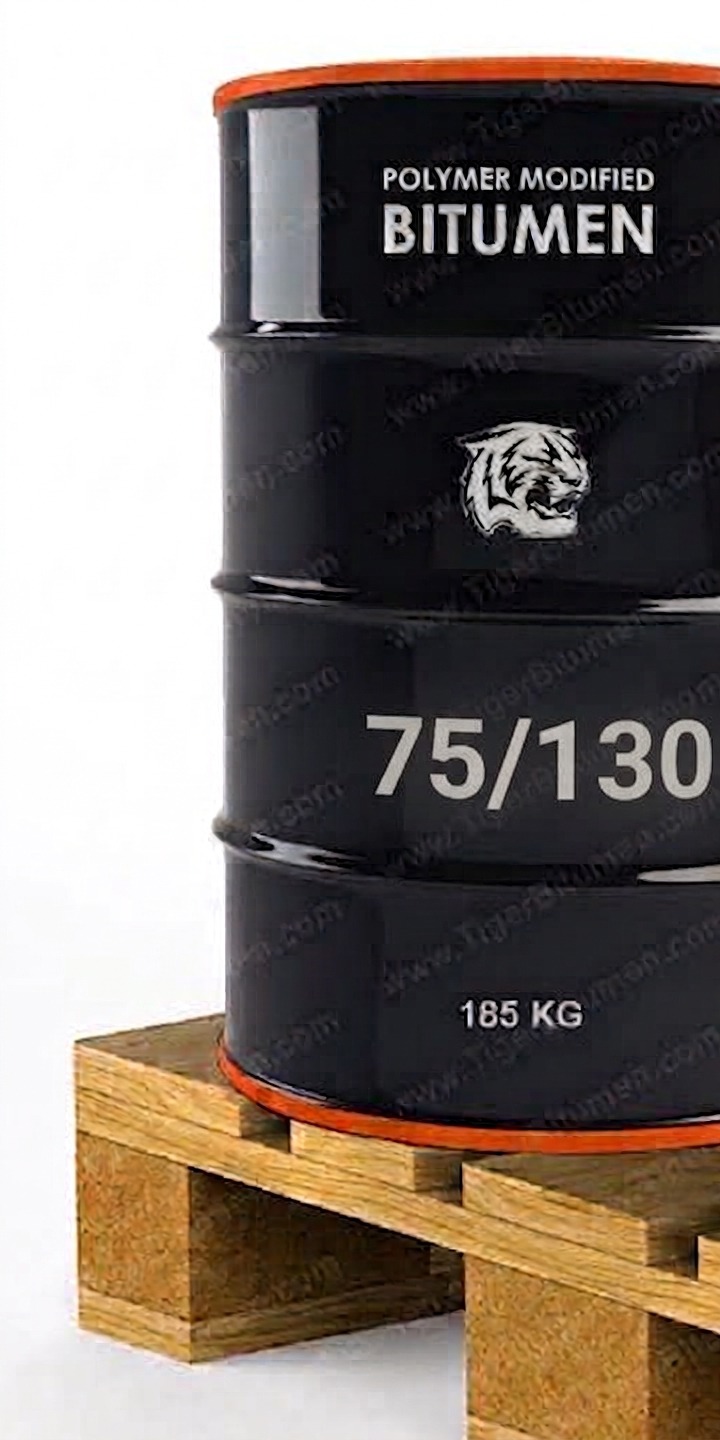
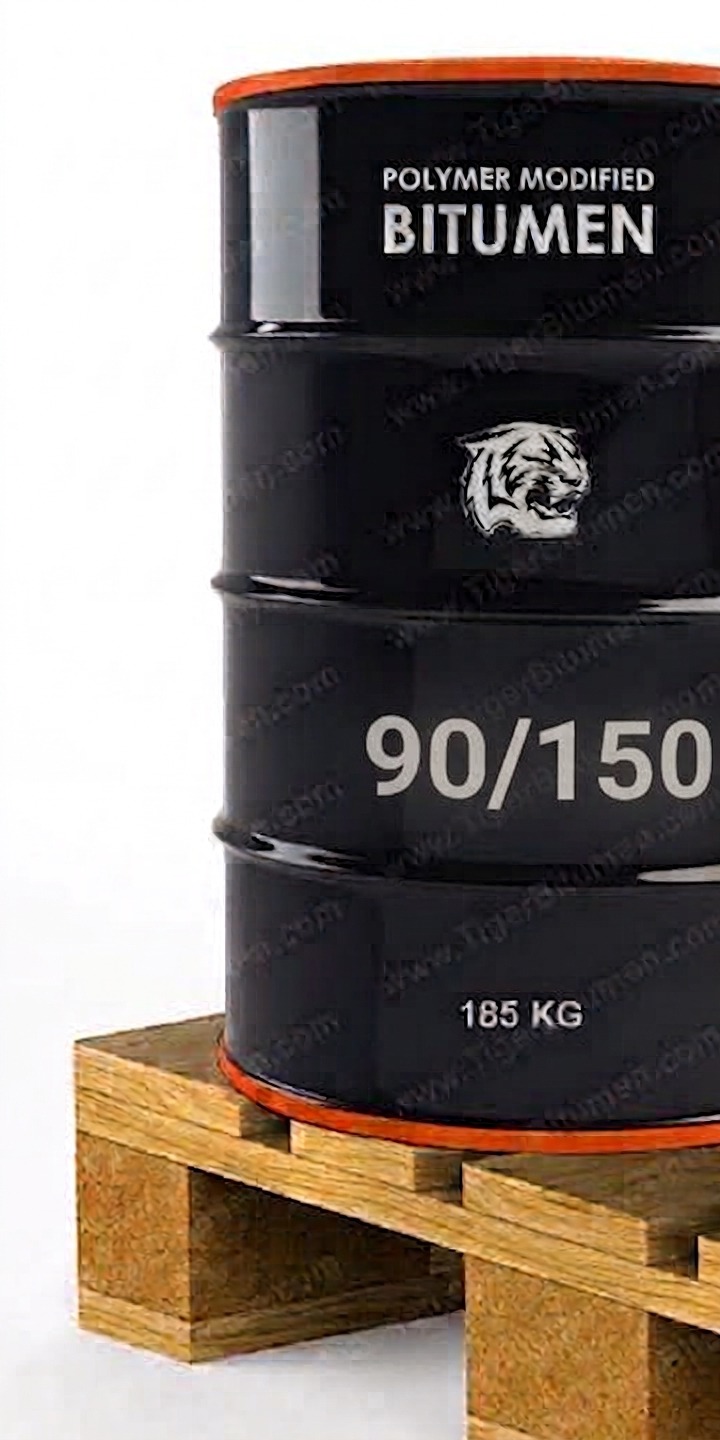
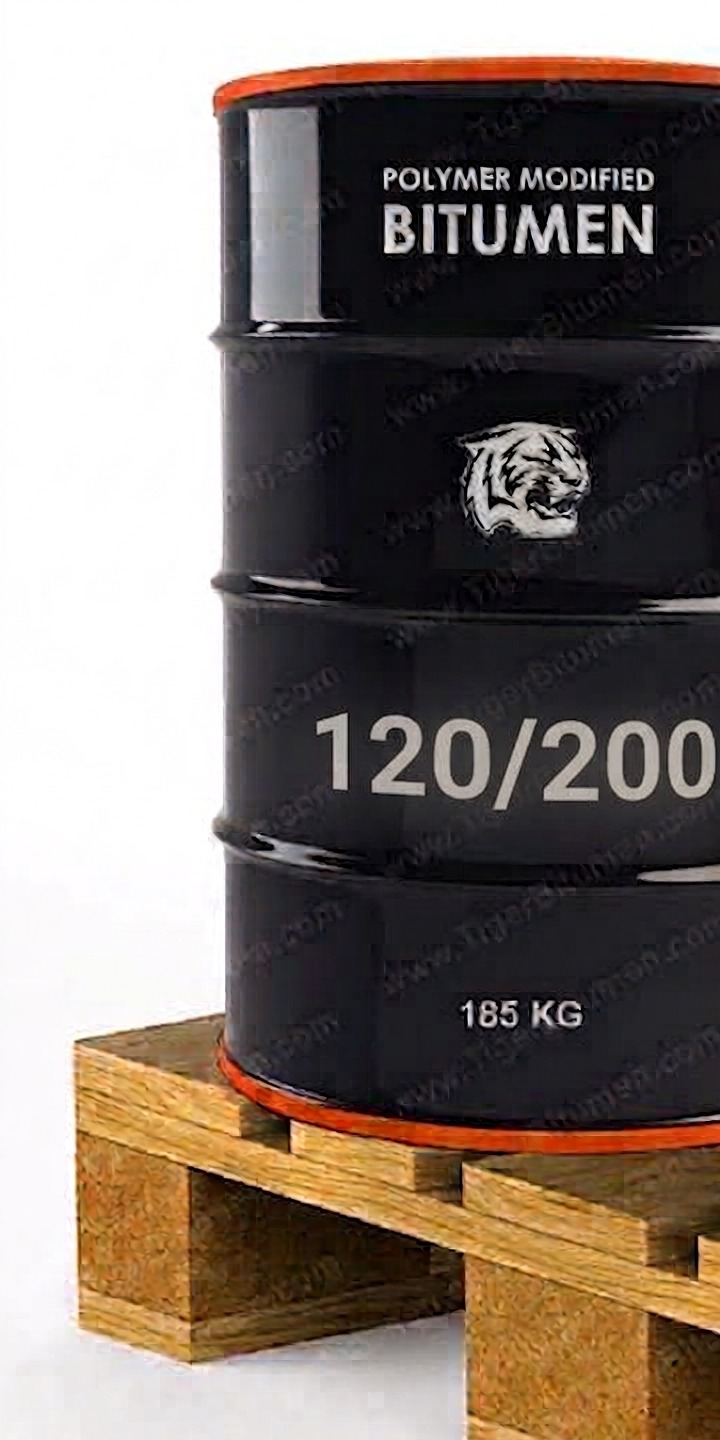
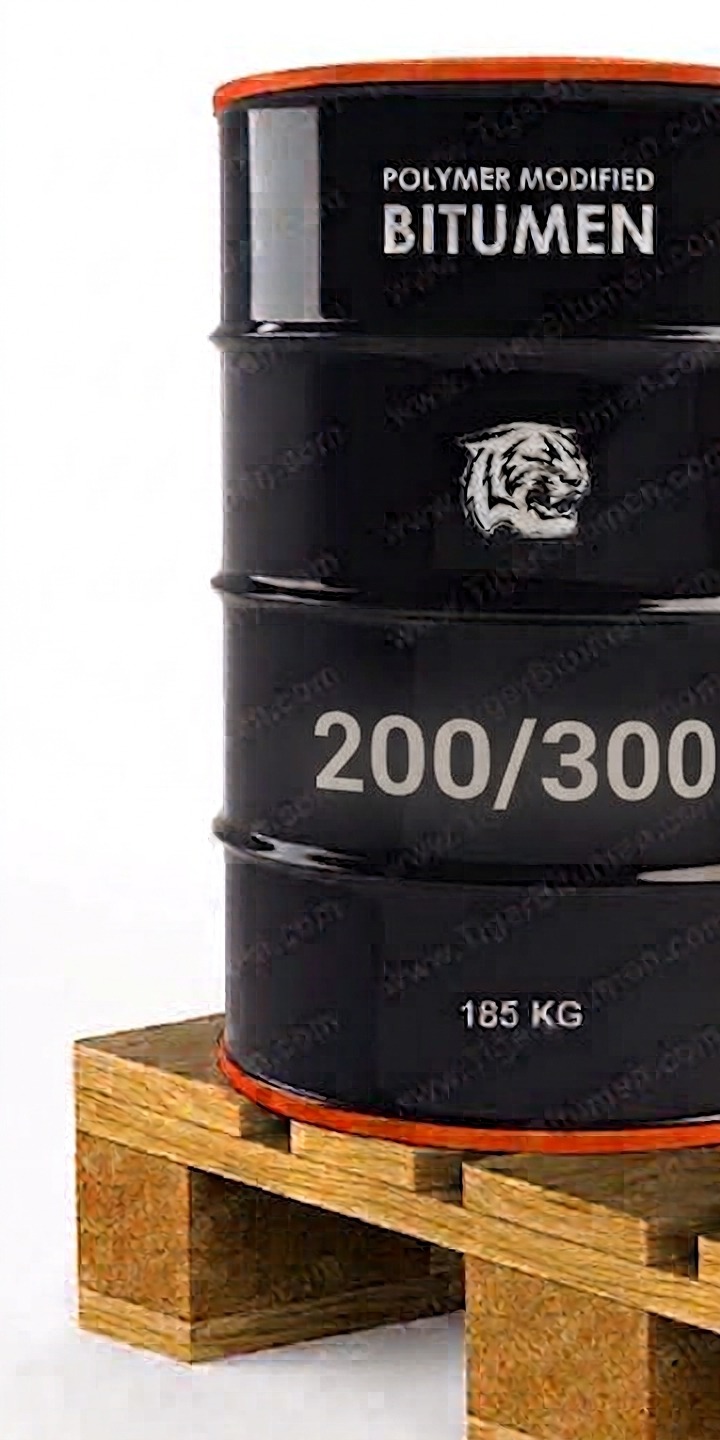
We offer polymer modified bitumen in nine nominal penetration ranges, with actual availability confirmed at quotation stage. Lower figures indicate a harder, stiffer binder; higher figures indicate a softer, more flexible one.
Very soft ranges above 200/300, such as 330/430, are unmodified binders and belong to conventional penetration grade bitumen, not PMB.


PMB vs Conventional Penetration Bitumen
| Aspect | Conventional penetration bitumen | Polymer Modified Bitumen |
| Composition | Refined bitumen only | Bitumen blended with a polymer modifier |
| Temperature sensitivity | Higher | Lower |
| Elastic recovery | Limited | Typically substantial, depending on grade |
| Specification basis | Penetration grade standards | En 14023 framework |
| Typical use | General paving | High-stress pavements and demanding climates |
| Handling | Standard practice | Often higher working temperatures; storage stability matters |
Conventional grades remain the right choice for many roads. PMB justifies its higher binder cost where traffic, temperature or required service life ask more of the pavement. For standard paving work, browse our conventional penetration grade bitumen.
PMB vs Performance Grade (PG) Bitumen
PMB and PG bitumen are not competing products; they are described in different specification languages. EN 14023 classifies PMB by penetration range, softening point and related properties. The Performance Grade system, set out in AASHTO M 320, classifies a binder by the high and low pavement temperatures it is designed for, as in PG 76-10.
A PG binder may or may not be polymer modified, and a PMB does not automatically equal any particular PG grade. Therefore, there is no reliable one-to-one conversion between the two systems. A binder must be tested and offered against whichever system the project uses. If your tender is written in PG terms, see our Performance Grade (PG) bitumen range.
Choosing the Right PMB Grade for Your Project
Grade selection starts with the project specification, not a supplier’s catalogue. Where the specification leaves room for choice, four factors usually narrow it down.
Climate and pavement temperature. Hot regions tend towards harder ranges that resist softening; colder regions tend towards softer ranges that resist cracking.
Traffic loading. Slow, heavy or channelled traffic places greater demands on rutting resistance.
Layer and mix type. Wearing courses, binder courses, thin surfacings and specialist mixes each call for different binder behaviour.
Specification system. Confirm whether the project uses EN 14023, PG or a national or authority standard.
Before requesting a quotation from a Polymer Modified Bitumen Supplier Dubai or abroad, gather the tender extract or binder requirements table. Send it to us and we will confirm which designation we can offer against it. We do not recommend a grade without seeing the governing specification.
PMB Quality Documentation: TDS, COA and Inspection
Whichever polymer modified bitumen supplier you work with in the UAE or abroad, agree the documentation package before an order is confirmed. For PMB, buyers typically request a Technical Data Sheet (TDS) describing the grade and its tested properties, a Certificate of Analysis (COA) reporting results for the specific batch against the agreed specification, and a Safety Data Sheet for handling, storage and transport.
If your project requires independent third-party inspection, state this in your enquiry so that scope, inspection body and cost can be discussed at quotation stage. Ask us which documents apply to the grade you need.
Packaging and Export Supply
PMB makes different demands on packaging and transport than conventional bitumen. It is handled hot, and some grades need attention to storage stability between filling and use. As a PMB exporter, we therefore agree packaging per order, according to grade, quantity, destination and how the material will be stored on arrival.
Packing formats published for our conventional grades should not be assumed for PMB. The packaging for each PMB order is confirmed in your quotation.
Polymer Modified Bitumen Supplier for the UAE and Export Markets
The UAE is an established centre for bitumen trading and export. As a PMB supplier and exporter working in the Dubai market, we serve buyers who source polymer modified bitumen through the UAE for projects at home and abroad.
Whether your project is in Dubai, elsewhere in the UAE or overseas, we handle each PMB enquiry with shipping terms, routing and documentation quoted case by case. The origin and loading port for each PMB order are confirmed in writing at quotation stage.
Frequently Asked Questions
What is Polymer Modified Bitumen used for?
PMB is used as the binder in asphalt for roads, airfields and other paved areas where conventional bitumen may not deliver enough resistance to rutting, cracking or fatigue, such as heavily trafficked highways, junctions, ports and runways.
What does a grade name like PMB 45/80 mean?
It is the nominal penetration range: the binder’s penetration at 25 °C falls between 45 and 80 tenths of a millimetre. A complete EN 14023 designation also includes the applicable minimum softening-point class.
Which PMB grades do you offer?
We offer all nine nominal ranges, from PMB 10/40 to PMB 200/300. Actual availability and the complete designation are confirmed against your specification at quotation stage.
Do you supply PMB only to buyers in Dubai?
No. We act as a polymer modified bitumen supplier for buyers in Dubai, across the UAE and in international markets. Shipping terms, origin and loading port are confirmed for each order at quotation stage.
Is road PMB the same as modified bitumen roofing membrane?
No. Road PMB is a paving binder mixed with aggregate to make asphalt. Modified bitumen membranes are factory-made roofing and waterproofing sheets, a different product with different standards.
How is PMB different from Performance Grade (PG) bitumen?
They use different specification systems. EN 14023 grades PMB by penetration, softening point and related properties, while PG grades binders by design pavement temperatures. A PG binder is not necessarily polymer modified.
What documents should I request with a PMB order?
Typically, a Technical Data Sheet, a batch Certificate of Analysis and a Safety Data Sheet. If you need third-party inspection, include it in your enquiry so it can be agreed at quotation stage.
How is PMB packed for export?
Packaging is agreed per order based on grade, quantity, destination and storage conditions on arrival. The confirmed packaging format is stated in your quotation.
What information do you need to quote PMB?
The required grade and full designation, the governing specification, quantity, destination port, preferred packaging and the documents you need.
Request a PMB Quotation
PMB is quoted per enquiry, against your specification. To receive an accurate offer for supply to Dubai, the UAE or your export destination, send us:
- the PMB grade and complete designation required
- the governing specification or tender extract
- quantity and destination port
- preferred packaging and delivery timing
- documents and any inspection required
Published Dubai Bitumen Prices cover conventional grades only; PMB pricing is provided by quotation.
