PMB 10/40 for Road Paving
Looking for a reliable PMB 10/40 supplier in Dubai, UAE? PMB 10/40 is the hardest of the nine polymer modified bitumen penetration ranges we offer. Road projects may specify this grade when they need a stiff, polymer-modified binder. We serve contractors, traders and project buyers across Dubai, the UAE and international markets. We prepare each quotation based on your project specification and confirm availability at the quotation stage.
This page explains the 10/40 penetration range, its potential road-paving applications, and how to request an offer. For an overview of all nine ranges and how PMB compares with other binders, visit our Polymer Modified Bitumen category.
What Does PMB 10/40 Mean?
PMB stands for Polymer Modified Bitumen. Manufacturers blend a polymer into paving bitumen to modify its response to traffic and temperature. The figures 10/40 identify the nominal penetration range. Under the specified test conditions at 25 °C, a standard needle penetrates the binder by 10 to 40 tenths of a millimeter.
Penetration measures consistency. Therefore, a low range such as 10/40 indicates a harder binder, while higher ranges such as PMB 45/80 and PMB 75/130 indicate softer consistency ranges. However, penetration alone cannot predict overall performance. The base bitumen, polymer, and formulation influence properties such as softening point, elastic recovery, cohesion, and ageing resistance. The applicable specification sets the required values; the 10/40 designation does not establish them on its own.
PMB 10/40 Characteristics
The following characteristics describe PMB 10/40 in general terms. Actual test values depend on the formulation and project requirements. Review the offered product’s Technical Data Sheet (TDS) for its measured properties.
A Hard PMB Penetration Range
PMB 10/40 sits at the stiff end of our PMB range. Specifiers may consider harder binders when a project places particular emphasis on deformation resistance under heavy or slow-moving traffic. Nevertheless, the complete binder specification should guide the final choice.
Resistance to Deformation
When the project specification and asphalt mix design are suitable, a stiff polymer-modified binder may help a pavement resist rutting and permanent deformation. This can be relevant to roads in the UAE, where summer pavement temperatures can rise considerably. Actual performance also depends on the aggregate structure, mix design, traffic, and binder formulation.
Polymer-Enhanced Cohesion
Compared with an unmodified binder of similar penetration, polymer modification can improve cohesion and reduce sensitivity to temperature changes. The extent of these benefits depends on the polymer system and formulation. The applicable specification tests help establish whether the offered product meets the project’s requirements.
Points to Consider
A hard binder may offer less flexibility at low temperatures and can require careful control during mixing and compaction. Therefore, assess the climate, pavement layer, and mix design. The binder alone does not determine pavement performance, so review the product TDS and consult the mix designer before ordering.
PMB 10/40 Applications
Project teams may consider PMB 10/40 when the specification calls for a stiff modified binder. Depending on the climate, traffic, mix design and approved requirements, potential applications include:
- Heavily trafficked roads and highways carrying a high proportion of heavy goods vehicles
- Areas with slow-moving or stationary traffic, such as junctions, bus stops, toll plazas, ports and container yards
- Binder or base courses in heavy-duty pavement designs that require high stiffness
- Infrastructure projects with defined deformation-resistance or performance requirements
However, PMB 10/40 is not the default choice for every pavement. Some layers or climates may require a softer PMB range or a conventional bitumen grade. The project specification and mix design must determine suitability.
PMB 10/40 and EN 14023
EN 14023 provides a European framework for specifying polymer modified bitumen. It identifies properties for testing and groups the results into classes. Specifiers can then select the combination of classes required for their climate, traffic and performance needs.
The GCC Standardization Organization has also adopted EN 14023 as a Gulf standard. However, individual road authorities and project specifications remain important references for selecting the required binder.
Within this framework, 10/40 identifies the nominal penetration range only. The complete designation also includes the applicable minimum softening-point class and may specify further properties. Therefore, PMB 10/40 should not be treated as a complete EN 14023 designation by itself.
Before ordering, compare the full designation with your project documents. Our quotation and the product TDS should confirm the applicable specification and the requirements for the offered PMB 10/40 product.
Not every market follows the same system. Some tenders specify Performance Grade (PG) binders or national standards instead. In that case, the offered product must meet the relevant system. See our Performance Grade (PG) bitumen page for more information about PG grades.
PMB 10/40 vs Conventional Penetration Bitumen
Conventional penetration bitumen is an unmodified binder classified by penetration range. Our Penetration Bitumen page provides more information about these grades. PMB 10/40 also uses a penetration range, but polymer modification targets performance characteristics that penetration alone does not describe.
These products are not automatically interchangeable. A PMB and an unmodified binder with overlapping penetration values may behave differently because polymer modification affects properties such as elasticity, cohesion, and temperature sensitivity. Conversely, PMB is not automatically the better choice for every project. Conventional bitumen can remain technically suitable and more economical when it meets the specified requirements.
Choosing PMB 10/40 for a Project
Most buyers consider PMB 10/40 because a tender or consultant specification names the grade. If the project permits alternatives, review these factors together before selecting a binder:
- Climate: Consider the expected pavement temperatures during service, including hot summers and colder conditions.
- Traffic loading: Review the volume of heavy vehicles and whether traffic moves slowly, stops frequently, or follows defined wheel paths.
- Pavement layer: Check whether the binder is intended for a base, binder, or wearing course.
- Asphalt mix: Confirm the mix type and design, as both influence pavement performance.
- Required performance: Identify any specified criteria for rutting, fatigue, or durability.
- Applicable standard: Check whether the project follows EN 14023, a PG system, or a national or authority specification.
Before ordering, confirm the required grade and complete classification against your project documents. If PMB 10/40 may be harder than the project requires, compare the softer ranges on our PMB category page.
When contacting a PMB 10/40 supplier, share the required standard, quantity, delivery destination, and relevant project specification. This information helps the supplier assess your enquiry against the project’s requirements.
PMB 10/40 Supply from Dubai
We handle enquiries from contractors, traders and project buyers in Dubai, across the UAE and in international markets. As a PMB 10/40 supplier serving local and export buyers, we review your specification, order quantity and destination before preparing a quotation.
For UAE projects, we align the quotation with the binder requirements in your tender or consultant documents. For export enquiries, we also review delivery terms, routing and required shipping documents on a case-by-case basis.
We confirm availability, product origin and loading port in writing for each order at the quotation stage. This approach helps ensure that the offer reflects the details confirmed for your enquiry rather than assumptions based on a general catalogue listing.
PMB 10/40 Documentation
Documentation depends on the offered product and order requirements. Buyers requesting PMB 10/40 commonly ask for the following documents:
- A Technical Data Sheet (TDS) describing the offered product and its specification basis
- A Certificate of Analysis (COA) reporting test results for the supplied batch
- A Safety Data Sheet (SDS/MSDS) covering handling, storage and transport
- Third-party inspection documentation, where the project requires it, and the parties agree to it at the quotation stage
Send your project’s document checklist with the enquiry so we can confirm which documents are available for the offer. Ask your PMB 10/40 supplier to clarify any additional certification or inspection requirements before placing the order.
Frequently Asked Questions
What is PMB 10/40?
PMB 10/40 is a polymer modified bitumen in the 10–40 nominal penetration range, measured in tenths of a millimetre at 25 °C. It is the hardest of the nine PMB ranges we offer and is used as a stiff modified binder in road-paving asphalt.
Is PMB 10/40 a complete EN 14023 designation?
No. 10/40 is the nominal penetration range. A complete EN 14023 designation also includes the applicable minimum softening-point class, which is confirmed against your specification and stated in the TDS.
Is PMB 10/40 suitable for high-traffic roads?
It is typically considered for heavily loaded pavements where a stiff binder is specified. Whether it suits a particular road depends on climate, pavement layer, mix design and the project specification.
Can I source PMB 10/40 from Dubai?
Yes. Buyers in Dubai and elsewhere in the UAE can enquire with us as a PMB 10/40 supplier. Availability, origin and loading port are confirmed at quotation stage.
Can international buyers request PMB 10/40?
Yes. We quote PMB 10/40 for export destinations, with shipping terms, packaging and documentation agreed for each order.
What documents are available for PMB 10/40?
Typically, a TDS, a batch COA and an SDS. Third-party inspection can be discussed where required. The final document set is confirmed in the quotation.
Request a PMB 10/40 Quotation
PMB 10/40 is priced by quotation. For an accurate offer to Dubai, the UAE or your export destination, tell us:
- the required PMB 10/40 specification and complete designation
- destination port and country
- quantity
- packaging requirement
- documentation and any inspection required
Published Dubai Bitumen Prices cover conventional grades only; PMB 10/40 pricing is provided by quotation.


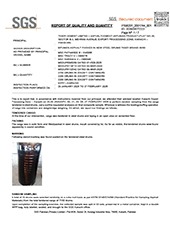
SGS Inspection Report Grade 35/50 Loading the Month of Jan-Feb 2026
Tiger Bitumen Price List
English Version
French Version