PMB 120/200 Overview
As a PMB 120/200 supplier, we support importers, distributors, contractors, and procurement teams sourcing very soft Polymer Modified Bitumen for projects in Dubai, across the UAE, and internationally. PMB 120/200 is one of the softest ranges in our approved line, second only to PMB 200/300. Its nominal penetration range suits specifications that call for a very soft modified binder. However, the complete product properties depend on the applicable standard and the project requirements.
We prepare offers against the buyer’s specification and confirm actual availability at the quotation stage. For an overview of the available grades, visit our Polymer Modified Bitumen category page.
What PMB 120/200 Means
PMB 120/200 combines a product type with a consistency band. PMB stands for Polymer Modified Bitumen, while 120 and 200 represent the lower and upper limits of a nominal penetration range. The test measures needle penetration at 25 °C in tenths of a millimeter.
In simple terms, PMB 120/200 identifies a very soft polymer-modified binder range. However, the designation alone does not specify the softening-point class, elastic behaviour, cohesion, or formulation.
Therefore, buyers should check the governing specification and the product’s Technical Data Sheet (TDS). These documents identify the applicable penetration requirement, test method, and other properties required for the order.
Characteristics and Positioning of the 120/200 Range
Where does 120/200 sit in the approved line?
PMB 120/200 has an 80-unit penetration band, wider than any listed range below 200/300. It overlaps PMB 90/150 between 120 and 150 and PMB 75/130 between 120 and 130. By contrast, it meets PMB 200/300 at the boundary value of 200. The ranges 10/40, 25/55, 45/80, 40/100 and 65/105 do not overlap with 120/200.
What does a very soft range usually indicate?
Very soft binders are generally associated with flexibility at low temperatures. For this reason, specifications may call for them in cold-climate or specialist applications. Still, the suitability of any PMB 120/200 product depends on its full specification and test results, not on the penetration range alone.
What does the polymer add?
Depending on the formulation, polymer modification can improve cohesion and elastic recovery and reduce temperature susceptibility compared with an unmodified binder of similar penetration. For a binder this soft, the specified softening-point class is especially important. The product’s complete designation and test results must confirm that requirement.
Typical Applications of PMB 120/200
Very soft modified binders usually serve a narrower range of applications than mid-range grades. Where the project specification permits PMB 120/200, engineers may consider it for asphalt paving in cold or high-latitude regions where low-temperature cracking is a key design concern. They may also consider it for hot-applied surface treatments, such as surface dressing, where the specification allows a soft PMB.
In addition, a project may specify this range for thin surfacing or maintenance work on lightly to moderately trafficked roads, subject to mix design. In every case, the project team should assess the climate, service conditions, traffic, pavement design and required binder properties before selecting the grade.
For projects in the UAE and the wider Gulf, engineers usually review harder ranges first because summer pavement temperatures are high. Nevertheless, the correct choice remains a project-specific engineering decision.
PMB 120/200 and EN 14023
EN 14023 is often cited in tenders, so buyers should understand what it covers. It provides a framework for specifying Polymer Modified Bitumen, including classes for penetration, softening point, and other properties. A specification selects the required classes, and the complete designation identifies the applicable requirements.
For PMB 120/200, 120/200 represents the penetration element. The applicable softening-point class and any other required properties must also be specified. These requirements do not remain the same for every product in the 120/200 range.
Therefore, citing EN 14023 alone does not establish product conformity. We confirm the complete designation and applicable specification against your project documents during quotation. The offered product’s TDS and test results should support that review. Where a national or authority standard governs the project, that standard takes precedence.
PMB 120/200 and PG Specifications
Performance Grade (PG) grading uses design pavement temperatures to classify binders. It is a separate system, so PMB 120/200 has no automatic PG equivalent. Likewise, a PG binder may or may not contain a polymer modifier. If your tender specifies PG requirements, review our Performance Grade (PG) bitumen range.
PMB 120/200 vs Conventional Penetration Bitumen
Conventional penetration bitumen, including the grades listed on our Penetration Bitumen page, is unmodified and graded mainly by penetration. Some conventional grades may have penetration values in a similar region to PMB 120/200. However, they are different products: PMB 120/200 contains a polymer modifier and requires assessment against its complete specification, including softening point and any other required properties.
For this reason, buyers should not substitute conventional bitumen for PMB 120/200, or the reverse, without approval from the project specifier. Polymer modification is not automatically an upgrade. If the pavement design calls for an unmodified binder, that may be the appropriate choice.
PMB 120/200 vs PMB 90/150 and PMB 200/300
At the nominal penetration-range level, PMB 120/200 relates differently to each neighbouring grade. The table below compares their range limits only; it does not establish that the products are interchangeable.
| PMB 90/150 | PMB 120/200 | PMB 200/300 | |
| Lower limit | 90 | 120 | 200 |
| Upper limit | 150 | 200 | 300 |
| Band width | 60 units | 80 units | 100 units |
| Relationship to 120/200 | Overlaps from 120 to 150 | Reference range | Meets at 200 |
The overlap between PMB 90/150 and PMB 120/200 may lead buyers to ask whether they can substitute one for the other. Meanwhile, PMB 120/200 and PMB 200/300 meet at the boundary value of 200. In neither case should buyers assume interchangeability. Each product must meet its own complete designation and the project’s requirements; the specification determines the appropriate grade.
For an overview of the approved grades, visit our PMB category page.
How to Select the Appropriate PMB Range
Most selection questions have a clear source of authority. Before requesting an offer for PMB 120/200, check the following points with the project team. We can then review the applicable product specification with you at the quotation stage.
| Question | Where the answer comes from |
| Is 120/200 named or permitted? | Project specification or approved-materials list |
| Which standard governs? | Contract documents: EN 14023, PG, or a national or authority standard |
| Which softening-point class and other properties are required? | The binder clause of the specification |
| Is a very soft range right for the site? | Pavement designer, considering climate, service conditions, traffic, and layer |
| Does the offered product comply? | TDS and test results checked against the specification |
| Who must approve it? | Consultant, authority, or buyer approval procedure |
Supplying PMB 120/200 from Dubai for UAE and Export Projects
Very soft PMB grades often serve projects in cooler climates, so buyers sourcing through Dubai may supply destinations well beyond the UAE. As a PMB 120/200 supplier, we support UAE contractors whose specifications name this range, as well as importers and distributors serving overseas projects.
We prepare each offer against the required specification, quantity, and destination. For UAE projects, we review the binder clause in the contract documents. For export orders, we also confirm delivery terms, routing, and the paperwork required at destination.
Availability, origin, and loading port are confirmed in writing at the quotation stage rather than assumed in advance. This helps buyers assess the offer against their procurement and project requirements.
PMB 120/200 TDS, COA and Inspection Documents
Documentation depends on the product and the order requirements. Buyers requesting PMB 120/200 may need a Technical Data Sheet (TDS) showing the complete product designation and specification basis. They may also request a Certificate of Analysis (COA) recording tested values for the supplied batch.
Depending on the contract, additional documents may include test reports, inspection records from an agreed third party, and a Safety Data Sheet. The buyer should identify the required documents in the enquiry so that we can confirm them in the quotation.
Frequently Asked Questions
What is PMB 120/200?
A very soft polymer modified bitumen with a nominal penetration range of 120 to 200 (0.1 mm at 25 °C), the second softest of the nine approved PMB ranges.
Does 120/200 define the full product specification?
No. It is the penetration element only. The applicable minimum softening-point class and any other required properties are set by the specification and confirmed in the TDS.
How is PMB 120/200 different from PMB 200/300?
The two ranges meet at 200: 120/200 covers the band below that point and 200/300 the band above it. They are separate products, and the specification determines which is required.
Can PMB 90/150 be used where 120/200 is specified?
Not without approval. The ranges overlap between 120 and 150, but each is supplied against its own complete designation.
Where is PMB 120/200 used?
Where specified, typically in cold-climate paving, surface dressing and other hot-applied treatments, and thin surfacing on lighter-trafficked roads.
Is there a PG equivalent to PMB 120/200?
No. PMB and PG are separate classification systems with no automatic equivalence.
Can I order PMB 120/200 through Dubai for an overseas project?
Yes. As a PMB 120/200 supplier and exporter, we quote for UAE and international destinations, with availability, origin and loading port confirmed per order.
Confirm Your PMB 120/200 Specification and Request a Quote
Specification, documentation and pricing for PMB 120/200 are confirmed against your project requirements. For an offer covering Dubai, elsewhere in the UAE or your export destination, include:
- the binder clause or complete designation, including the softening-point class
- destination country and port
- quantity
- packaging requirement
- documentation and inspection requirements
Request a PMB 120/200 Quotation
Prices published on our Dubai Bitumen Prices page cover conventional grades only; PMB 120/200 is priced by quotation.


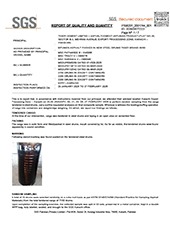
SGS Inspection Report Grade 35/50 Loading the Month of Jan-Feb 2026
Tiger Bitumen Price List
English Version
French Version